
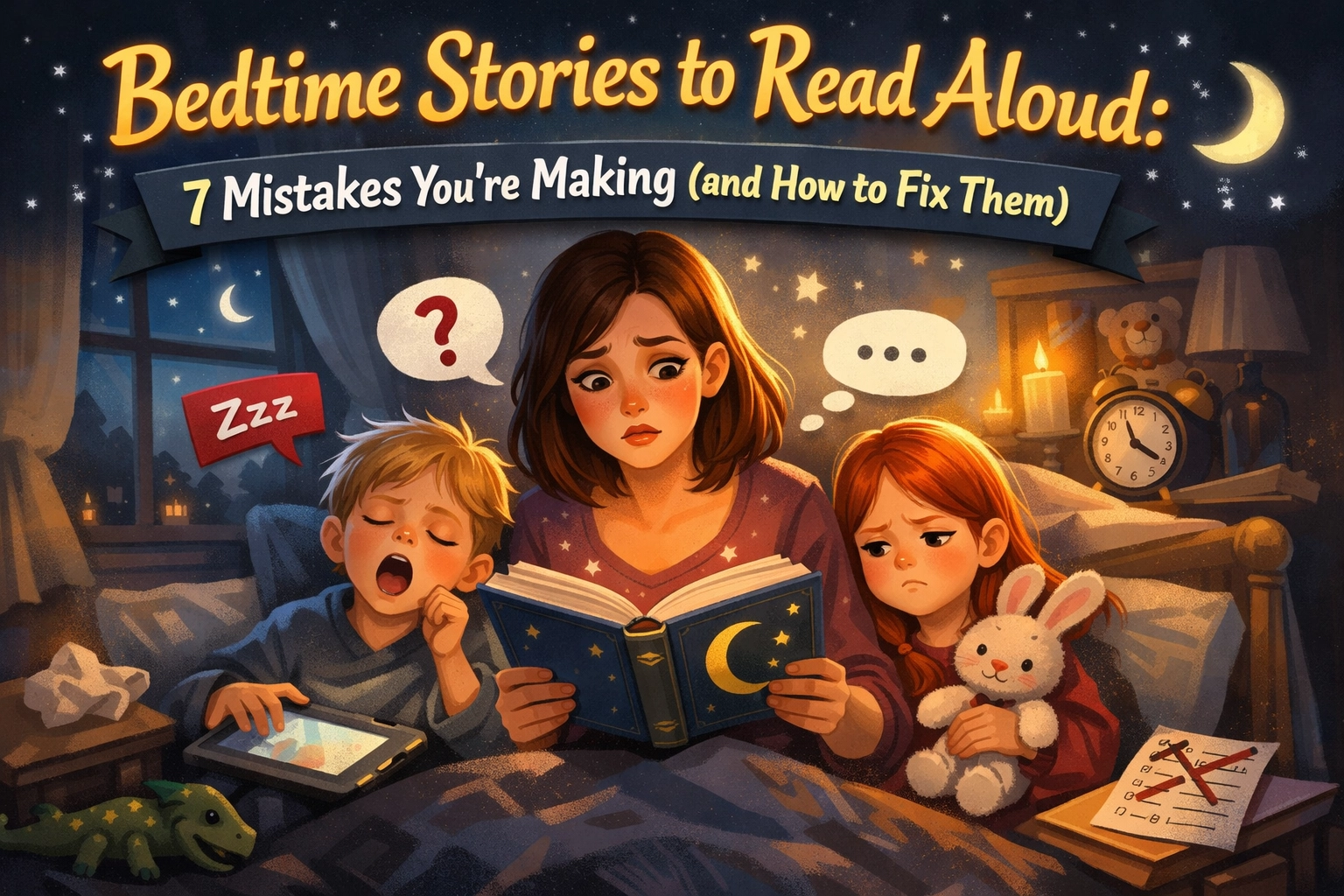
Let's be real, bedtime stories should be magical. But somehow, they turn into a 45-minute wrestling match where your kid is more wired than relaxed, and you're wondering where you went wrong.
Good news? It's probably not you. You're just making a few super common mistakes that tons of parents make every single night.
Here are the 7 biggest bedtime read-aloud mistakes (and the simple fixes that actually work).
Mistake #1: You're Picking the Wrong Books
Not all books are bedtime books. That adventure story with dragons and explosions? Amazing for afternoon reading. Terrible at 8 PM when you're trying to wind down a 6-year-old.
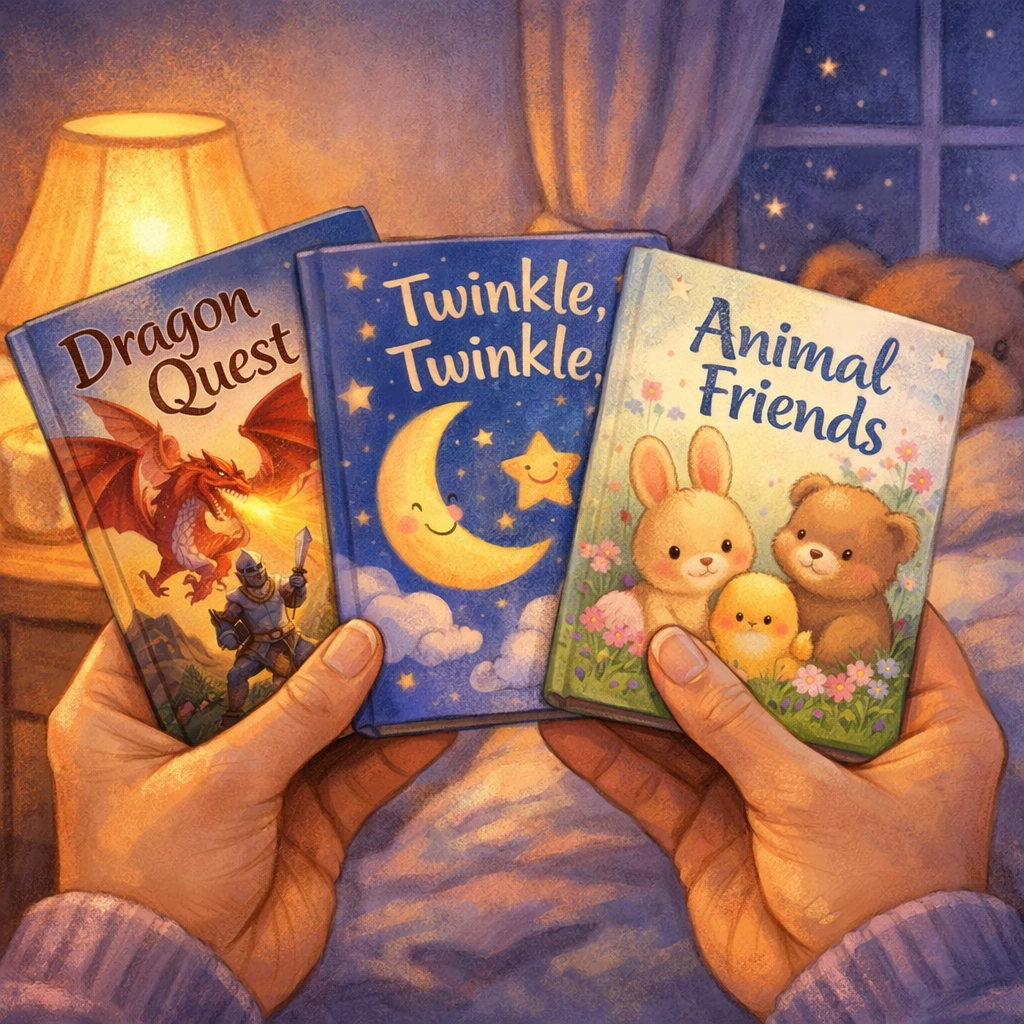
The fix: Choose stories that are calming, not stimulating. Look for gentle plots, soothing language, and happy (but quiet) endings. Avoid anything scary, suspenseful, or that gets your kid asking a million questions right before sleep.
Books that are too long are also a trap. If you're 20 pages in and still going, your kid's brain is staying active way longer than it should.
Pro tip: Kids-life.com has tons of short bedtime stories designed specifically for winding down. They're the perfect length, calming vibe, and actually help kids relax instead of ramping them up.
Mistake #2: You're Reading in a Monotone Voice
If you sound like a GPS giving directions, your kid's brain is going to check out fast. A flat, unchanging voice is boring for everyone, including you.
The fix: Use different voices for different parts of the story. Speed up during exciting moments, slow down during calm ones. Whisper when a character is sneaking. Get a little louder when something surprising happens.
You don't have to be a professional voice actor. Just add a little life to it. Your kid will stay way more engaged, and honestly, it makes reading more fun for you too.

Mistake #3: You're Skipping Character Voices and Sound Effects
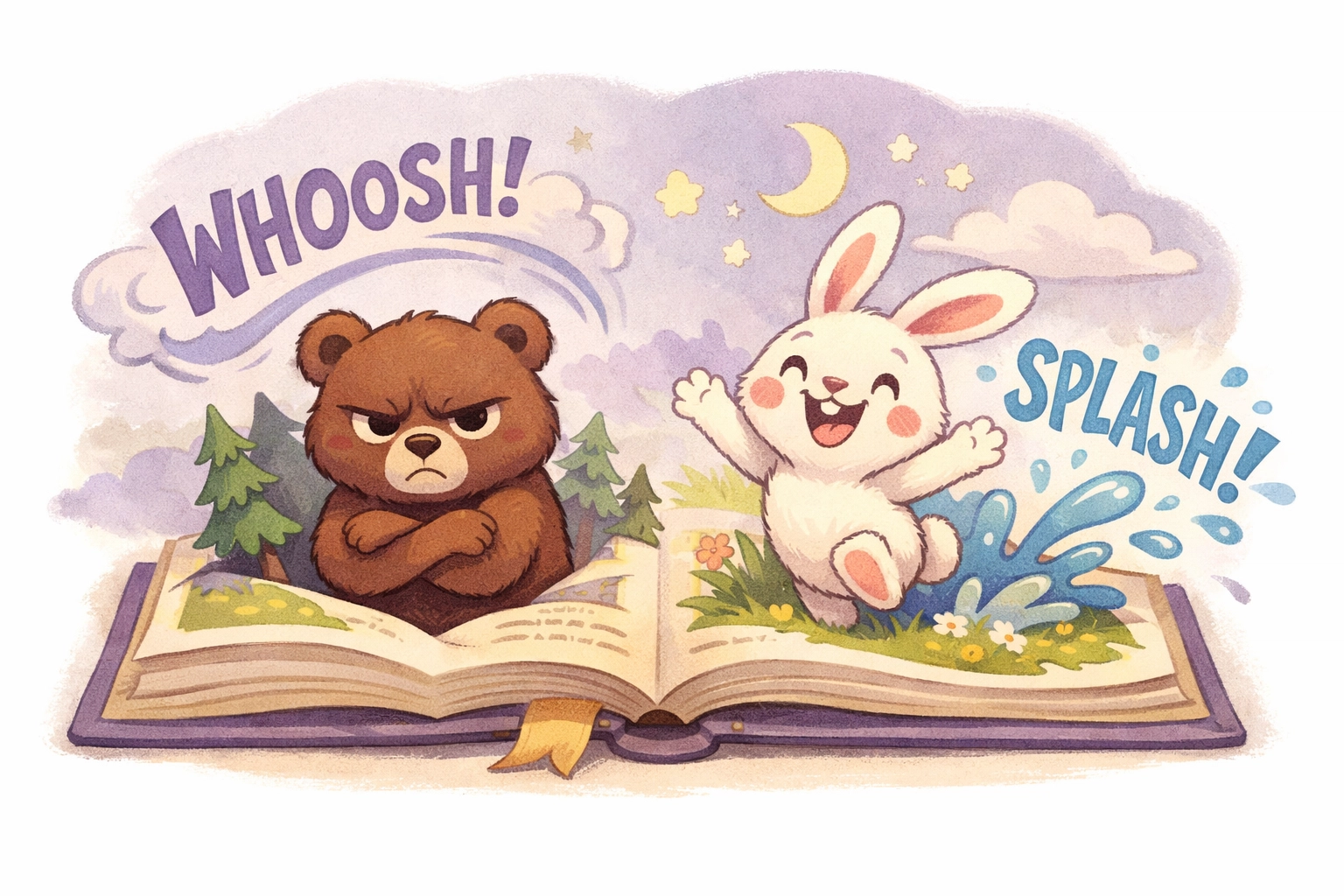
This one's huge. Kids love when you give characters their own voices. The grumpy bear sounds different than the cheerful bunny. The wind goes "whoooosh," the door goes "creak."
These little touches aren't just cute, they help your kid's brain follow the story and imagine what's happening.
The fix: Give each character a slightly different voice. Make sound effects. You don't need to be over-the-top (remember, it's bedtime), but a little personality goes a long way.
Even a soft, slow "tick-tock" for a clock or a gentle "splash" for water keeps things interesting without getting your kid too excited.
Mistake #4: Your Face Isn't Telling the Story
Your kid is watching you while you read. If your face is blank, they're missing half the story.
The fix: Use your facial expressions to match what's happening. Look surprised when something unexpected happens. Smile when something's sweet. Look a little worried when a character is nervous.
Your face helps your child understand emotions and stay connected to the story. Plus, it makes the whole experience feel more like quality time and less like a task you're checking off.
Mistake #5: You're Stopping Way Too Much
We get it, you want to ask questions, check if they're understanding, maybe teach a little something. But if you're stopping every two sentences, you're killing the flow.
Your kid loses track of what's happening, gets frustrated, and suddenly bedtime story time feels like school.
The fix: Let the story flow. Save your questions for the end, or pick just one or two moments in the middle to pause and connect.
A simple "What do you think will happen next?" is fine. But don't turn story time into a quiz. Keep it relaxed and enjoyable.
Mistake #6: You're Not Letting Them Participate
Some parents think bedtime stories should be a sit-still-and-listen situation. But kids (especially younger ones) need to feel involved.
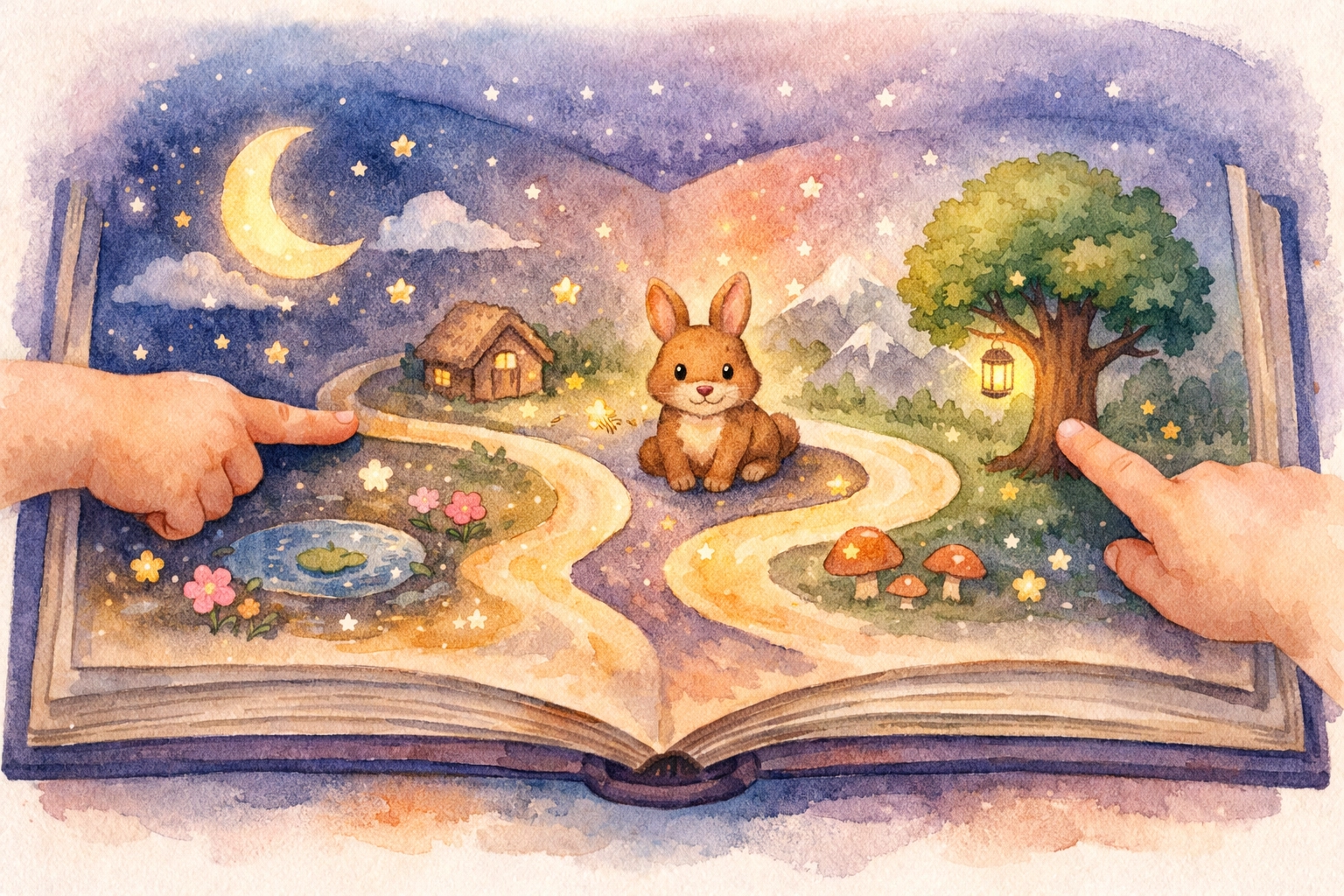
The fix: Let them turn the pages. Ask them to point to things in the pictures. If there's a repeated phrase ("Not by the hair of my chinny chin chin!"), pause and let them say it with you.

Participation keeps them engaged without getting them too hyped up. It also makes them feel like they're part of the magic, not just a passive listener.
On Kids-life.com, you'll find interactive bedtime stories that are designed for this exact thing, simple moments where kids can chime in without disrupting the calming vibe.
Mistake #7: You're Overcomplicating It
Trying to teach lessons, work on vocabulary, practice counting, and discuss feelings all in one bedtime story? That's way too much.
Bedtime isn't the time for a full curriculum. It's the time to relax, connect, and ease into sleep mode.
The fix: Keep it simple. Focus on one thing if you want, maybe tonight's story is just about feeling cozy and safe. That's enough.
Don't stress about "educational value" or making every moment a teaching moment. The real value is the calm, consistent routine and the time you're spending together.
Why This All Matters
Bedtime stories aren't just about getting your kid to fall asleep (though that's a nice bonus). They're about creating a calm, predictable routine that signals to your child's brain: "Okay, it's time to wind down."
When you avoid these mistakes, bedtime becomes easier. Your kid feels more relaxed. You feel less stressed. Everyone wins.
And if you're looking for bedtime stories that are short, calming, and actually written with these tips in mind, check out Kids-life.com. We've got tons of stories designed specifically for smooth, stress-free bedtimes: no overstimulation, no 30-page marathons, just the good stuff.
Happy reading (and sleeping)! 💤