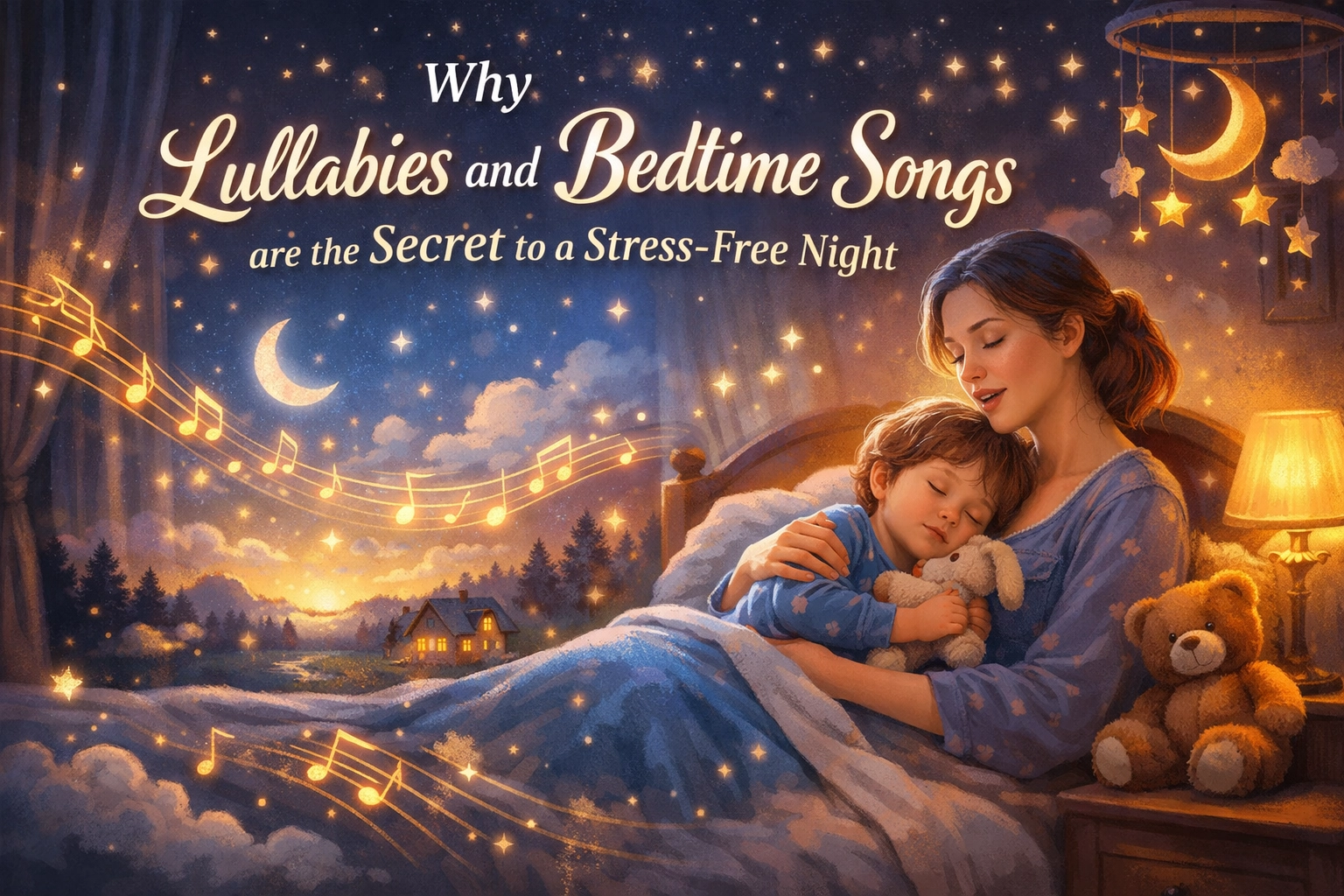
If you've ever spent 45 minutes trying to get your little one to settle down at bedtime, you know the struggle is real. But here's something that might surprise you: the simple act of singing a lullaby could be your ticket to peaceful evenings.
Lullabies for kids aren't just sweet songs, they're actually science-backed sleep tools that work wonders for both kids and parents. Let's dig into why kids bedtime songs might be the missing piece in your nighttime routine.
The Science Behind Why Lullabies Actually Work
You're not imagining it, lullabies really do have a calming effect on children. The secret lies in how our brains respond to repetitive melodies and slow rhythms.
When you sing a lullaby, your child's developing brain receives a clear signal: "You're safe, and it's time to rest." The repetitive structure of these songs provides familiar, comforting sounds that babies and young children recognize instinctively. In fact, those slow, steady beats often mirror a mother's heartbeat, the very first sound your baby heard in the womb.
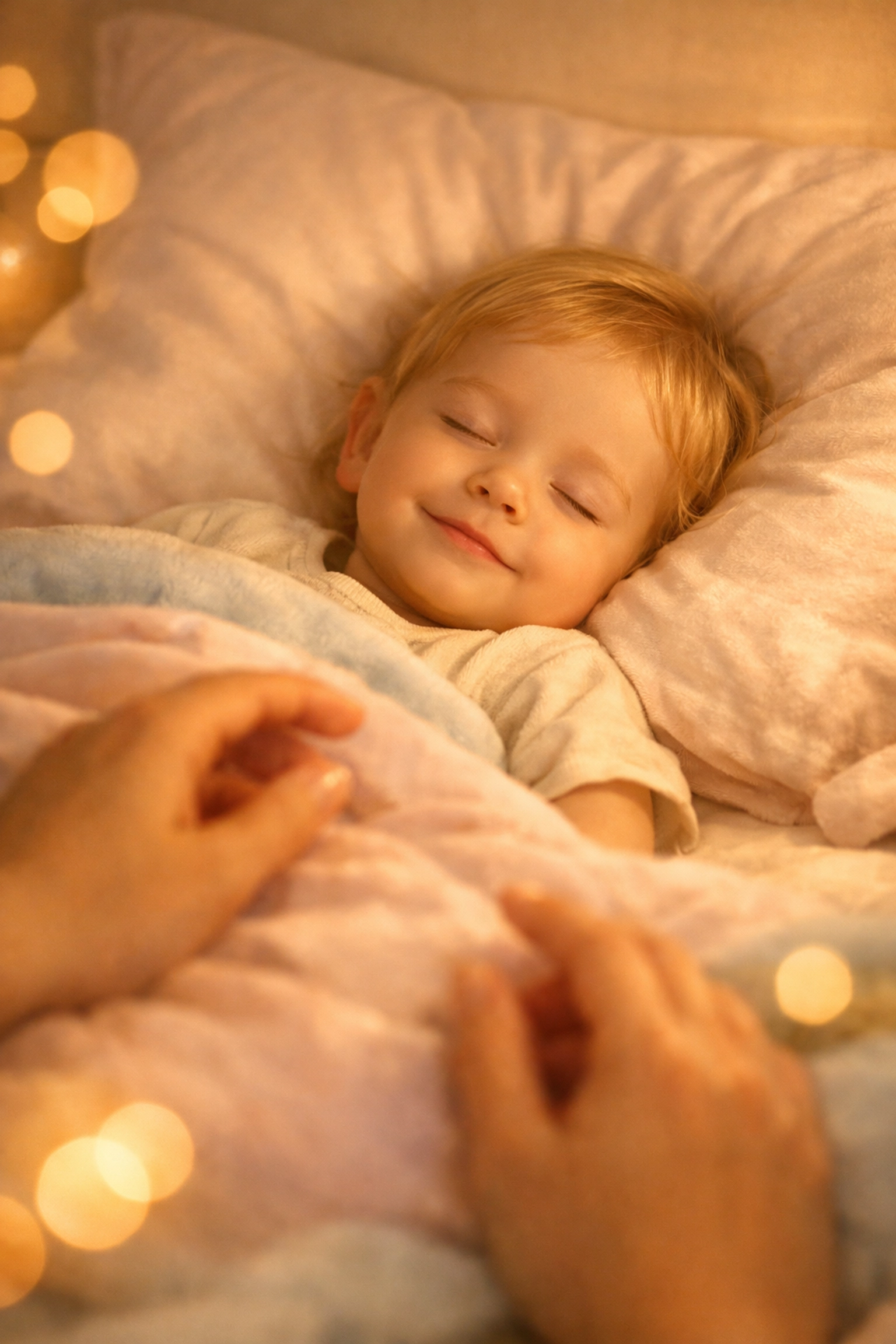
Think about it: your little one spent months listening to the rhythm of your heartbeat. When they hear similar patterns in a lullaby, it triggers a deep sense of comfort and security. It's like giving them a cozy blanket made of sound.
What Happens in Your Child's Body During a Lullaby
Here's where things get really interesting. Kids bedtime songs do more than just sound nice, they actually change what's happening inside your child's body.
When you sing to your child, several amazing things occur:
The heart rate slows down. The gentle rhythm of a lullaby helps regulate your child's heartbeat, bringing it to a calmer, more restful pace.
Breathing becomes deeper and more regular. As your child relaxes into the song, their breathing naturally syncs with the melody's rhythm.
Stress hormones decrease. Anxiety and stress levels drop as the brain shifts from alert mode to rest mode.
Muscles relax. That tension your five-year-old was holding in their shoulders after an exciting day? It melts away.
The best part? This isn't just theory. Research has consistently shown that music can lower heart rates, decrease anxiety, and even reduce pain perception in children.
The Magic of Physical Closeness
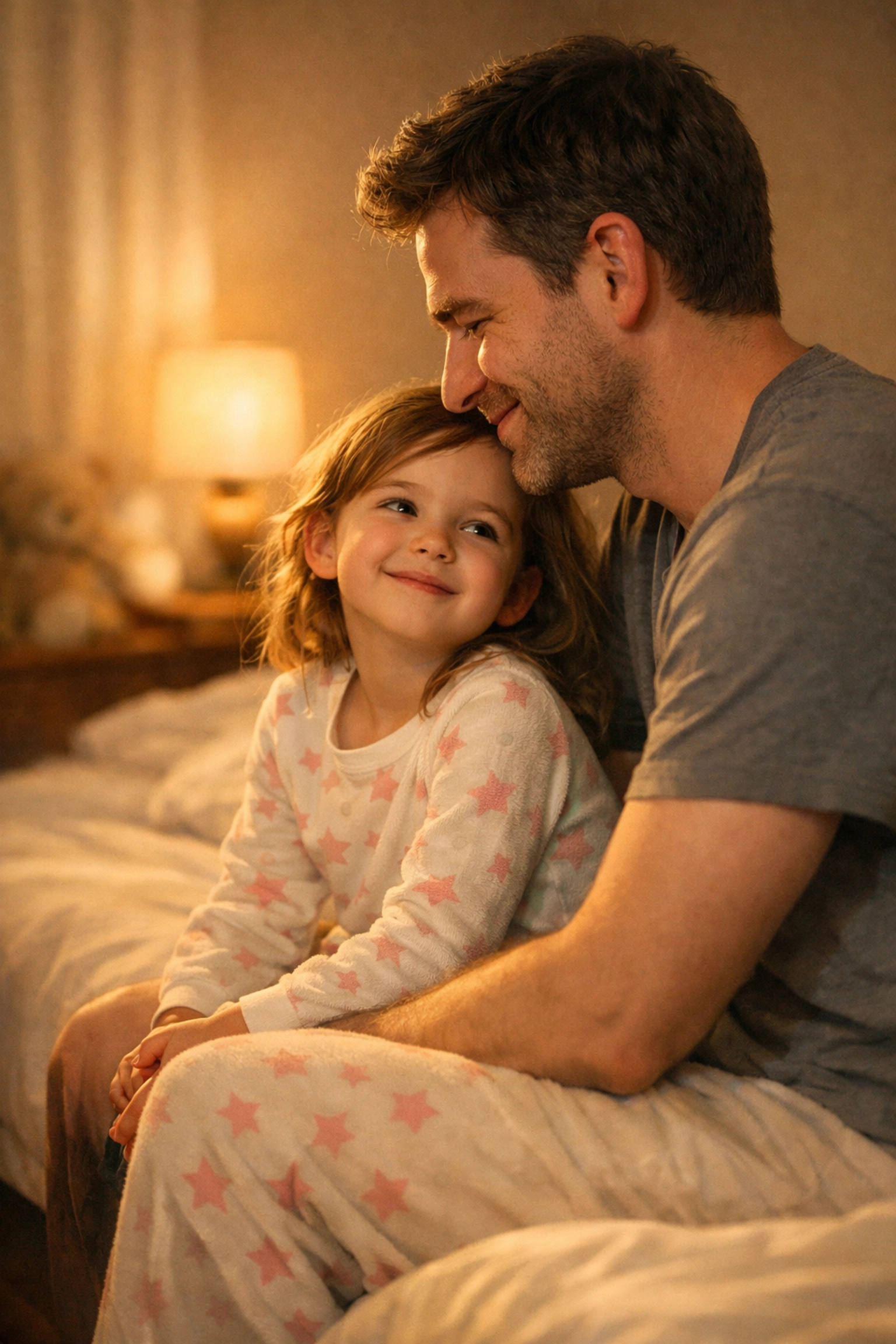
But here's what really makes lullabies powerful: they're rarely sung from across the room. When you sing kids bedtime songs, you're usually holding your child, sitting beside them, or gently rocking them.
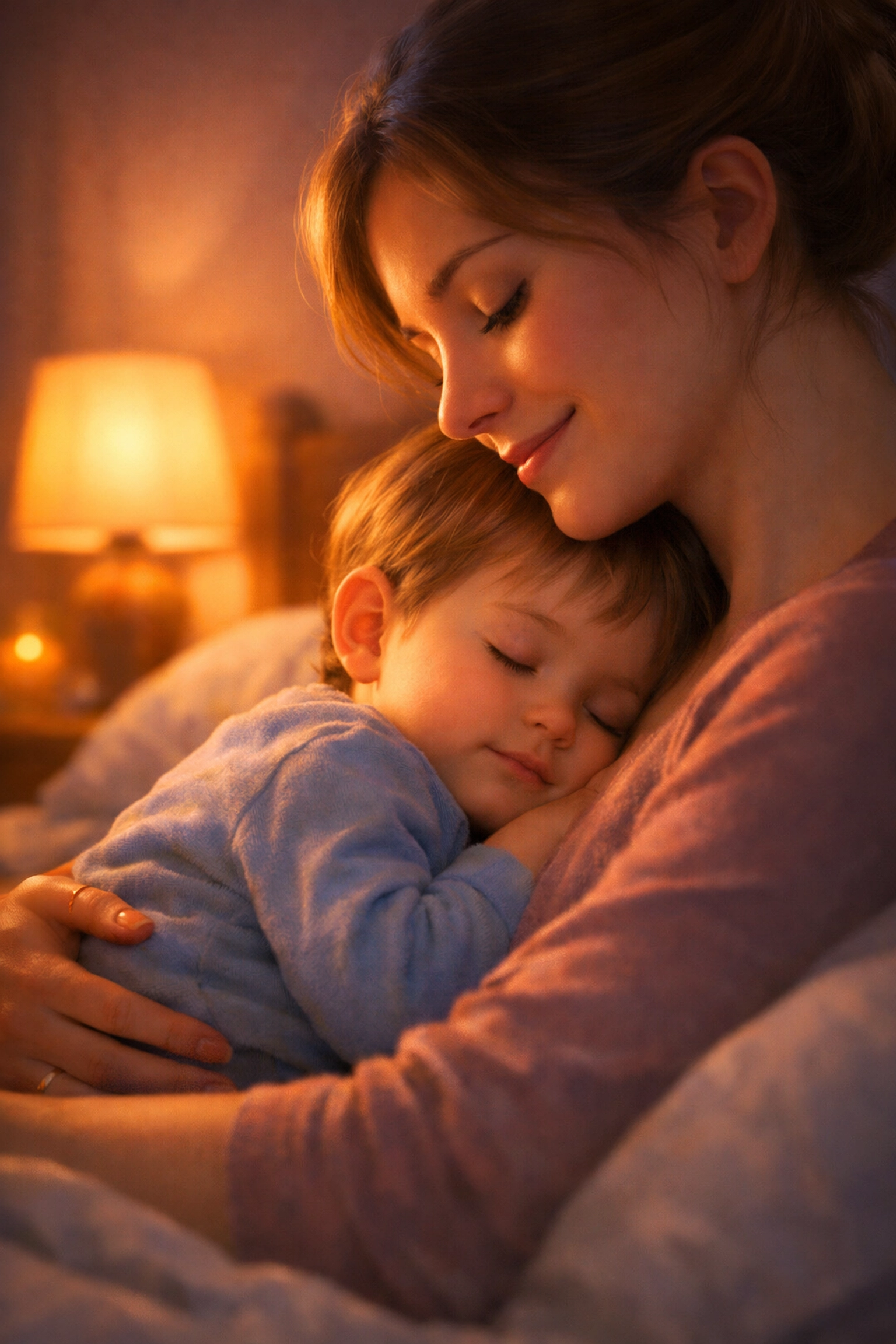
This physical closeness is crucial. As you hold your child and sing, your body releases oxytocin, often called the "love hormone." This hormone promotes feelings of well-being, safety, and relaxation in both you and your child. Yes, you read that right, singing lullabies for kids helps YOU relax too!
Even more fascinating? The vibrations from your singing voice act as a soothing mechanism for your child, similar to how a vibrating swing helps babies calm down. Your body literally becomes a comfort machine.
Creating a Bedtime Routine That Sticks
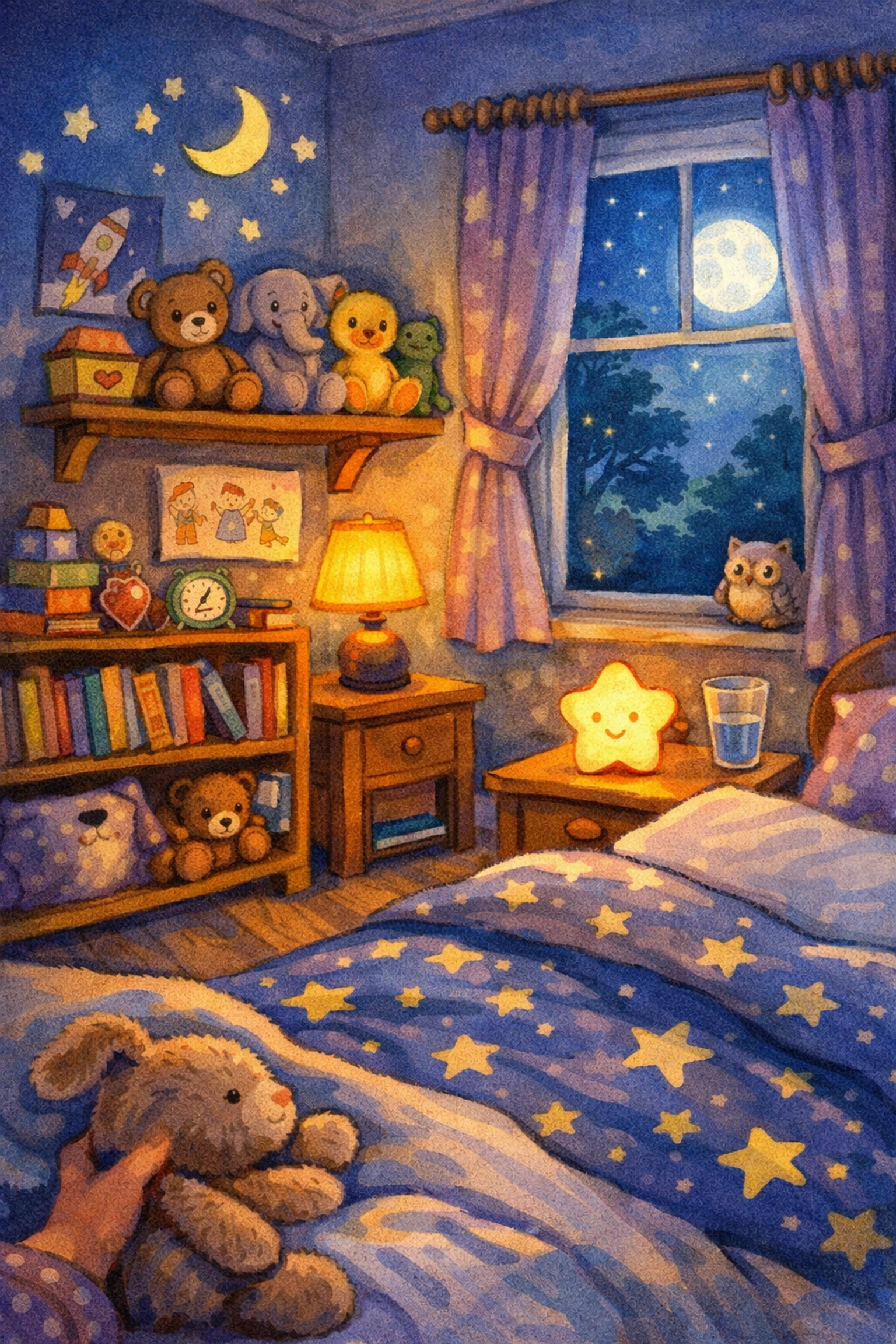
Consistency is your friend when it comes to bedtime. When you use the same lullabies night after night, something wonderful happens: your child's brain starts to create associations between those songs and sleep time.
After a few weeks of hearing the same bedtime songs, your child's brain begins to think, "Oh, this song means it's time to sleep now." This behavioral association makes falling asleep faster and easier. It's like creating a gentle, musical signal that bedtime has arrived.
Here's a simple routine to try:
- Dim the lights in your child's room
- Get them settled in bed or in your arms
- Sing 2-3 familiar lullabies for kids
- Keep the same order each night
- Use a soft, gentle voice
The predictability of this routine becomes incredibly comforting for children. They know what's coming, and that knowledge helps them feel secure and ready for sleep.
Beyond Sleep: The Hidden Benefits
While getting your child to sleep is the immediate goal, kids bedtime songs offer benefits that go way beyond bedtime.
Language development gets a boost. When you sing to your child, they're exposed to rhythm, rhyme, and new vocabulary. Even babies who can't talk yet are absorbing language patterns.
Your bond strengthens. Those quiet moments singing together create powerful emotional connections. Years from now, your child will remember these moments as some of their most cherished memories.
Your stress decreases too. This isn't just about your child. Singing lullabies has been shown to reduce stress and anxiety in parents, especially during those tough early months or challenging phases.
Choosing the Right Songs
Not sure which lullabies for kids to use? The good news is that almost any slow, gentle song can work as a bedtime song. Some classics include:
- Twinkle, Twinkle, Little Star
- Rock-a-Bye Baby
- Hush, Little Baby
- Brahms' Lullaby
- You Are My Sunshine (sung slowly)
But honestly? Your child doesn't care if you're singing a traditional lullaby or making up your own words to a simple tune. What matters is the slowness, the repetition, and the warmth in your voice.
Can't carry a tune? That's totally fine. Your child thinks your voice is the most beautiful sound in the world, whether you're pitch-perfect or not.
When Bedtime Battles Still Happen
Even with the best lullabies, some nights are just tough. Your five-year-old is wired from a birthday party. Your seven-year-old is worried about tomorrow's school presentation. Your six-year-old suddenly needs seventeen glasses of water.
On these nights, kids bedtime songs become even more important. They provide a familiar anchor point in the chaos. Keep singing, even if your child seems distracted. The calming effects are still working, even if you can't see them right away.
Sometimes it helps to let your child choose which lullaby they want to hear. Giving them this small bit of control can reduce bedtime resistance.
Making It Part of Your Family Culture
The beautiful thing about establishing a lullaby routine is that it becomes part of your family's story. These songs become the soundtrack to your child's earliest memories.
As they grow, the songs you sing might change. Your three-year-old might love the same simple lullaby you sang when they were a baby. By seven, they might prefer you to sing a song from their favorite movie: just slower and quieter. That's perfectly okay. The important thing is keeping that musical connection.
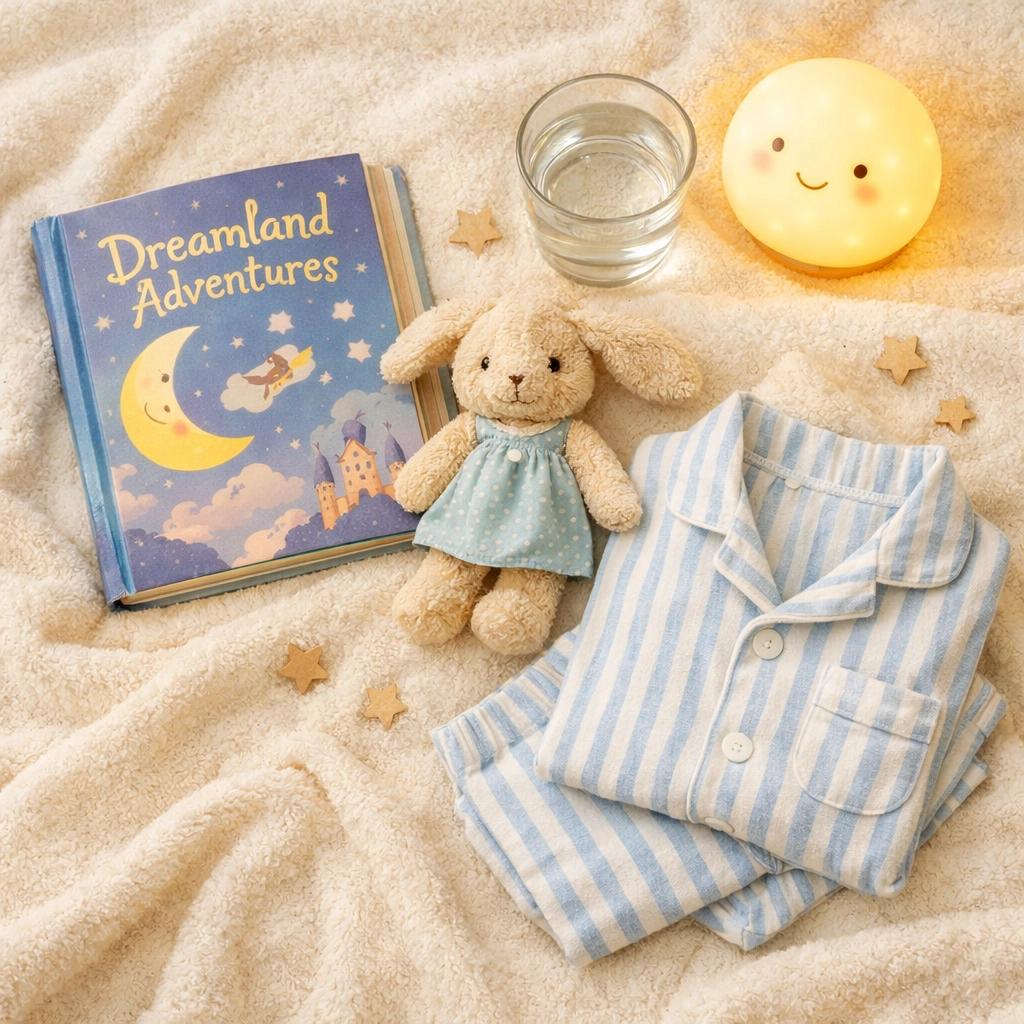
And here's some exciting news: we're working on creating special Kids-life.com merchandise that will help make bedtime even more magical. Think cozy blankets, nightlights, and more: all designed to work perfectly with your lullaby routine. We'll share more details soon!
Your Voice Is Enough
If there's one thing to remember from all of this, it's this: you don't need to be a perfect singer, you don't need fancy equipment, and you don't need a huge repertoire of songs. Your voice, singing simple lullabies for kids, is one of the most powerful tools you have for creating peaceful, stress-free bedtimes.
Those few minutes of singing each night are an investment: in better sleep, stronger bonds, and calmer evenings. They're also creating memories that your child will carry with them long after they've outgrown bedtime songs.
So tonight, when bedtime rolls around, try adding a lullaby or two. Sing softly, hold your little one close, and watch as the magic of music transforms your evening routine. Your future self (the one who gets to relax after an easy bedtime) will thank you.
Sweet dreams start with sweet songs. And you've got this.